






Why an Option Can Be Worth Zero Even If the Stock Later Recovers
MarketDash Editorial Team
Author
The clock is the thing you buy
An option is a contract. It gives you the right, but not the duty, to buy or sell a stock at a set price before a set date. You pay a price for that right, called the premium. The date is not fine print. The date is the product.
Stocks have no expiration. Buy a boring index fund, watch it fall, and you can simply wait. Waiting costs you nothing but patience. An option strips that away. When the date passes, the contract is gone and the premium with it, no matter how right you were about the business.
Retirement math is built on giving money decades. Research from the 1990s (William Bengen in 1994, the Trinity study in 1998) found that taking out 4% of a stock-and-bond portfolio in the first year of retirement, then raising the amount with inflation, lasted at least 30 years in most historical periods. Same idea in shorthand: save 25 times your yearly spending. All of that assumes time is your friend.
An option assumes the opposite. The rule of 72 says that at 8% a year, money doubles in about 9 years. Lovely if you own the asset. Useless if your contract dies in weeks. An option is a bet that a move happens on a schedule. "This company is good" is a much easier claim to be right about.
Cheap is a warning label
New option buyers drift toward the cheapest contracts, because a small premium feels like a small risk with a huge payoff. Read that feeling again slowly. The contract is cheap because it is unlikely to pay, or because the clock is short, or both. You are not getting a discount. You are getting a low price attached to a low probability.
And being right about direction is not enough. You need the direction right, the size of the move right, and the timing right. Get the timing wrong and the other two stop mattering.
There is one genuinely friendly fact about options, and it is about the losing side. When you buy an option, the most you can lose is the premium. That is a real, capped, knowable number. When you sell an option, your loss is not capped the same way. If you don't know which side of that line you are standing on, you don't have a trade. You have a surprise with a due date.
Write the loss down before you place the order
Before you tap the button, answer one question in dollars: what is the most this trade can cost me? If the answer is a sentence you can say out loud, you may proceed. If the answer is "it depends" or "probably not much," close the app and go for a walk.
Then size it tiny. Tiny means that if the position goes to zero, your month does not change. Rent gets paid. Groceries get bought. The emergency fund stays untouched, and so does your retirement account. That last part matters: taking money out of a traditional IRA or 401(k) before age 59½ usually means income tax plus a 10% penalty. A Roth is funded with money that was already taxed, and qualified withdrawals in retirement are tax-free. Neither account is a sensible home for a gambling habit wearing a finance costume.
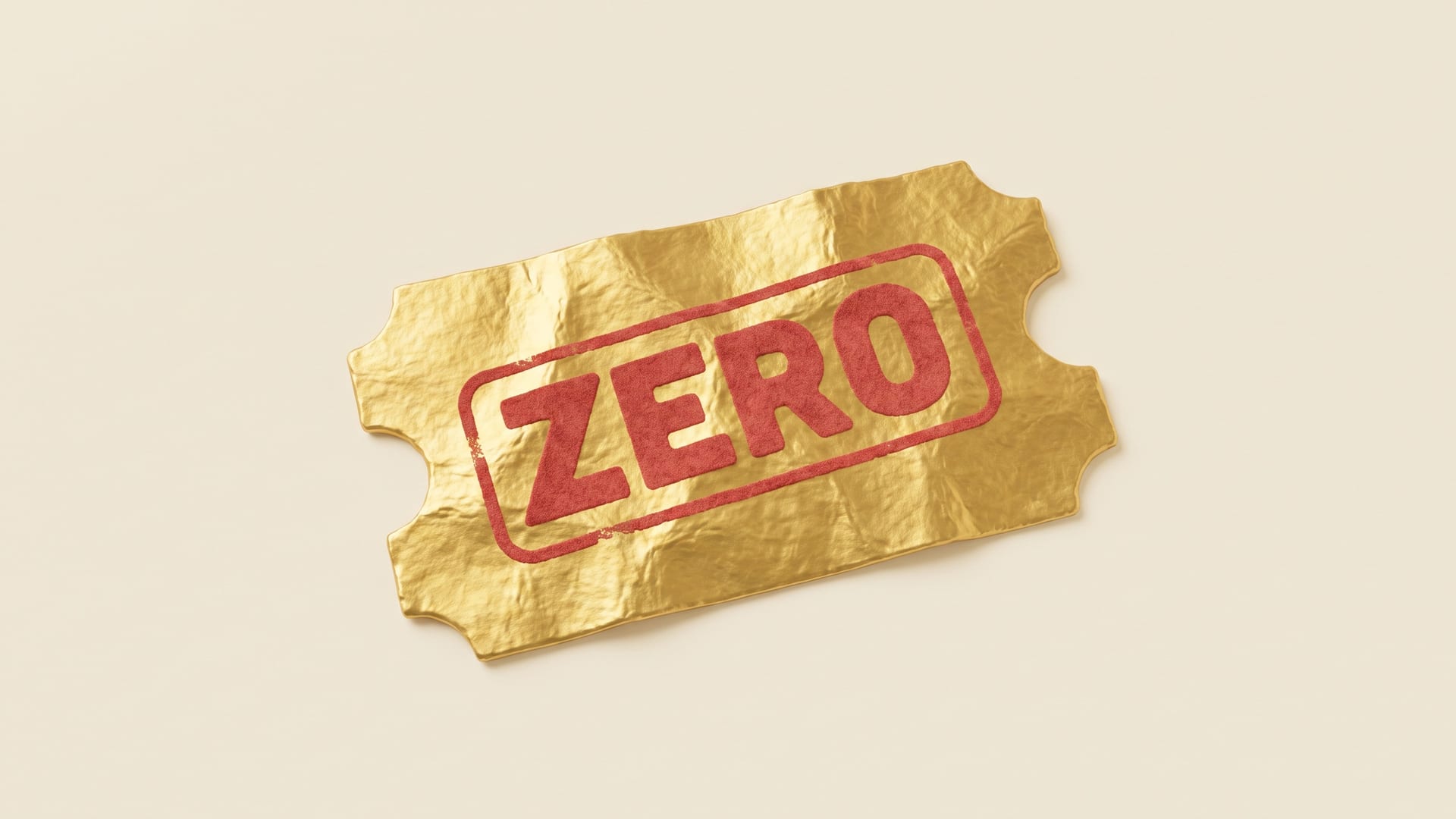
Finally, assume the option goes to zero. Not a little. Zero. The premium is the price of admission, and admission is often the entire cost. If losing the whole amount would genuinely hurt, the position is too big for you.
If you can't explain the payoff, don't buy it
Here is the test. Say the payoff out loud in one breath: "I make money if the stock is above this price on this date, and I lose the whole premium if it isn't." If you cannot fill in both blanks without hedging, you are not investing. You are paying for a feeling.
Watch for a related trap: confusing a forecast with a deadline. Someone can be right that a stock is worth more eventually and still be useless to a contract that dies long before "eventually" arrives. Forecasts and expirations speak different languages, and only one of them is charging you rent.
Check it yourself in MarketDash
Open the stock page and look at the Overview first: the next earnings date. Earnings move prices, and a contract that expires before that date cannot collect on the move. Know which side of that date your contract sits on.
Then open the Wall Street section: each analyst's rating, price target, upside, and date. The date is the part people skip. A target published months ago and a contract expiring soon are not the same conversation. If the target's date sits far past your expiration, that target tells you nothing about your trade.
Use the Intrinsic Value section as a sanity check. If the intrinsic value estimate sits far from the current price, ask whether your contract gives the gap enough time to close. Often it does not, and that is the answer to your question.
Get Market News Alerts
Real-time alerts on price moves, news, and trading opportunities.
Join 20,000+ investors. No spam, ever.
Featured Articles
View all news
Nvidia Stock Drops 5% As Trump Backs Jensen Huang: 'You Never Know What Is Going On'

China Extends US Tariff Truce By Two Months, Keeps 10% Duties Ahead Of Trump-Xi APEC Meeting

Bitcoin Slips Below $75,000: Here's What the Data Says Comes Next

AMD Stock Climbs 3% As AI Demand And A $17 Billion Forecast Win Back Investors

Democrats Won the Midterms, but Trump Still Holds the Veto Pen. Here's What That Means for Your Wallet

NVIDIA's Spy Scare Lands at the Worst Possible Moment for AI Bulls

Trump Says Russia-Ukraine Peace Deal Is 'Very Close,' Blames Zelenskyy-Putin 'Hatred' for Delays