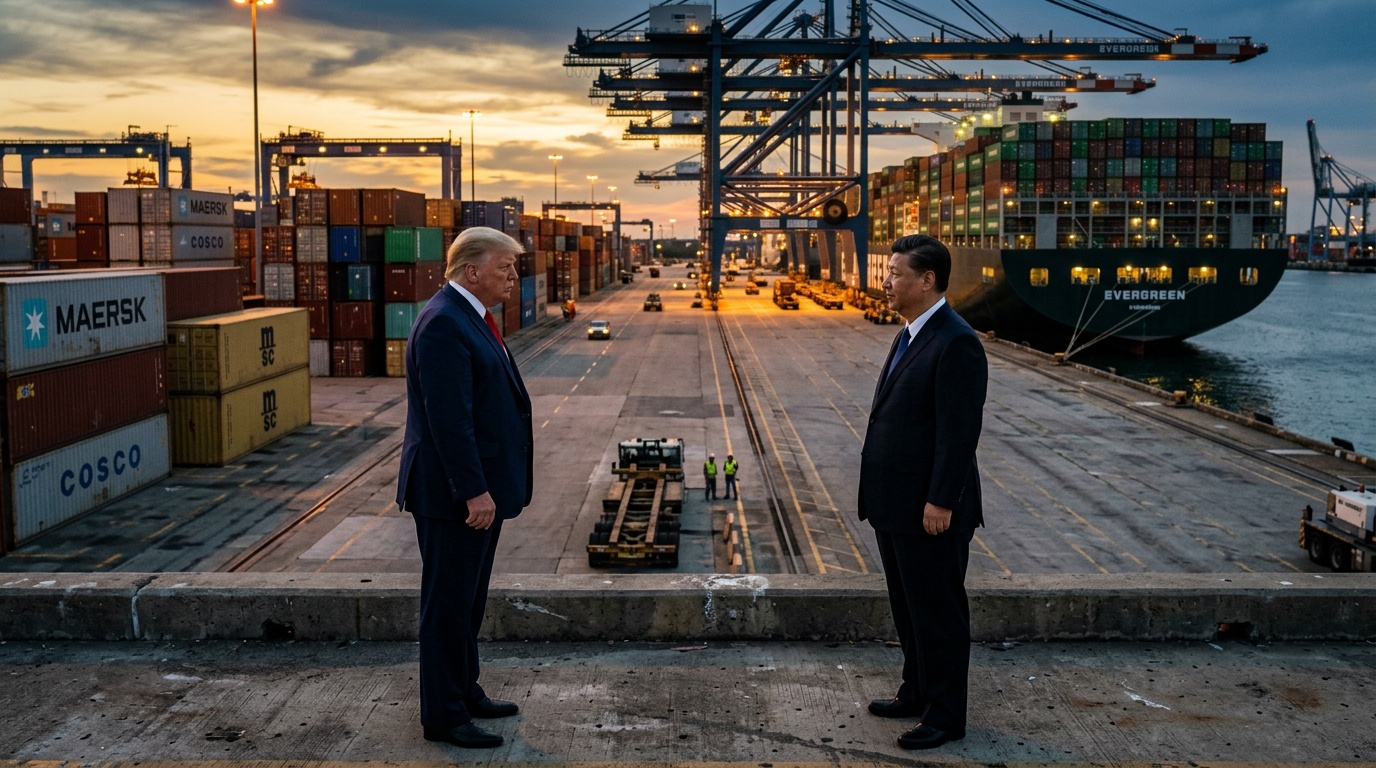
China is doing that thing where it keeps a good thing going for a little while longer. On Monday, Beijing announced it will extend its suspension of an additional 24% tariff on U.S. imports for two months, beginning at 1:01 p.m. Tuesday. The 10% tariff, however, stays right where it is.
The pause isn't the only piece of the truce getting rolled forward. Beijing's Transport Ministry extended its suspension of special port fees affecting U.S.-linked vessels through Jan. 10, 2027. A probe into shipping and shipbuilding supply-chain security will also remain suspended during that stretch.
China's State Council tariffs panel tied the extension to the outcomes and consensus reached during a Washington meeting between the countries' leaders. The world's second-largest economy said it would monitor any potential U.S. use of Section 301 tariffs and adjust its countermeasures based on subsequent developments. In other words: the pause is real, but so is the finger on the trigger.
The broader discussions have included proposals for $60 billion in reciprocal tariff reductions, including roughly $17 billion in U.S. agricultural products imported by China during 2024. That agreement has not been finalized, which is a polite way of saying the handshake photo is still pending.
Trump's Tariff Plans Amid Post-Midterm China Ties
The extension lands as Goldman Sachs economists expect President Donald Trump to pursue additional tariffs following the U.S. midterm elections. Economists Alec Phillips and Abhay Duggirala said new trade levies could emerge after the election, as Washington faces rising war costs and approximately $40 trillion in national debt.
They also said potential Democratic efforts to repeal selected tariffs would likely have limited effects, particularly if focused on Canada or individual products.
Meanwhile, U.S. trade investigators have reportedly completed much of their work on Section 301 probes into 16 economies over alleged industrial overcapacity, potentially paving the way for additional tariffs. The Trump administration has reportedly held off announcing the duties until after the midterms amid concerns that higher import costs could worsen affordability pressures. China could face a 7.5% tariff, although the proposed rate has not been officially confirmed.
Not everyone thinks the midterms will move the needle. Shanghai Institutes for International Studies President Chen Dongxiao said the midterm results are unlikely to significantly alter U.S. policy toward China, arguing that Trump would retain broad foreign-policy authority and both parties largely share a similar approach to Beijing.
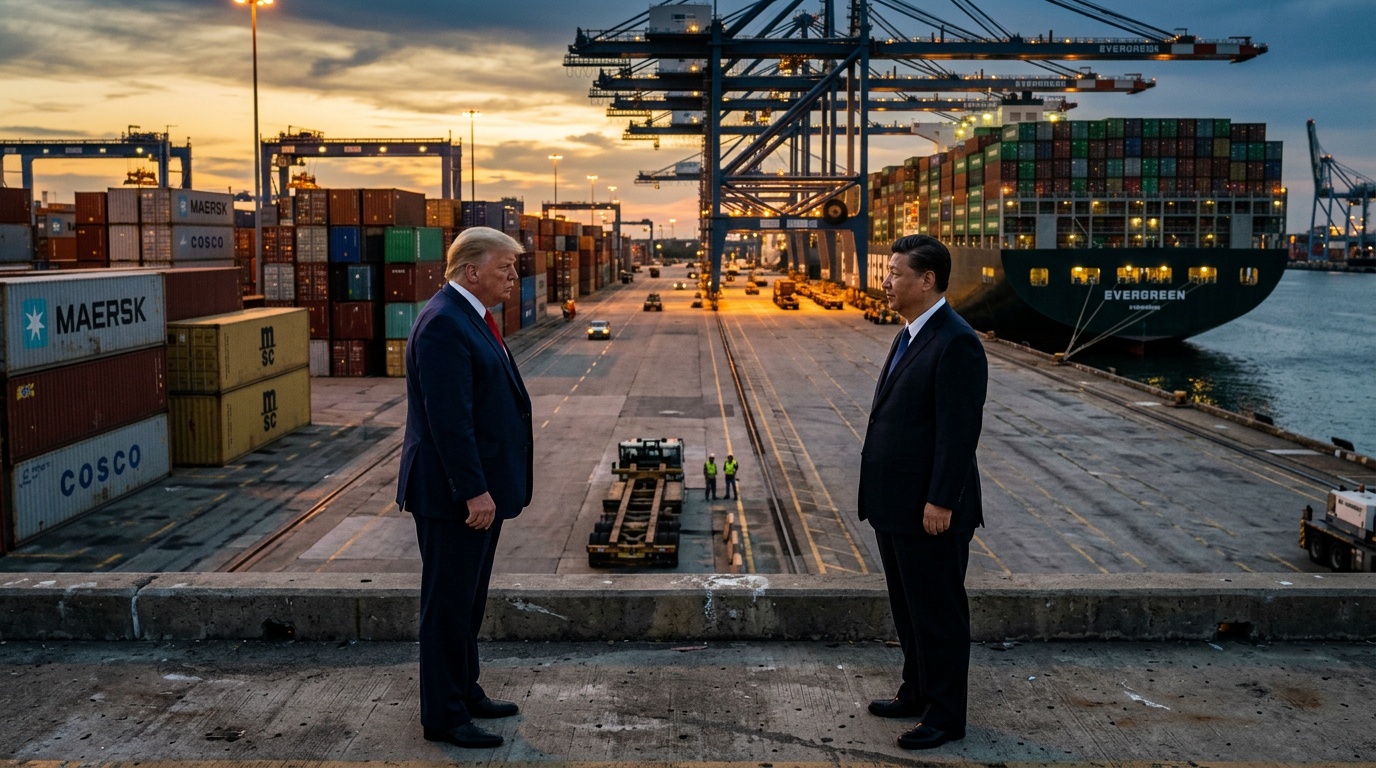
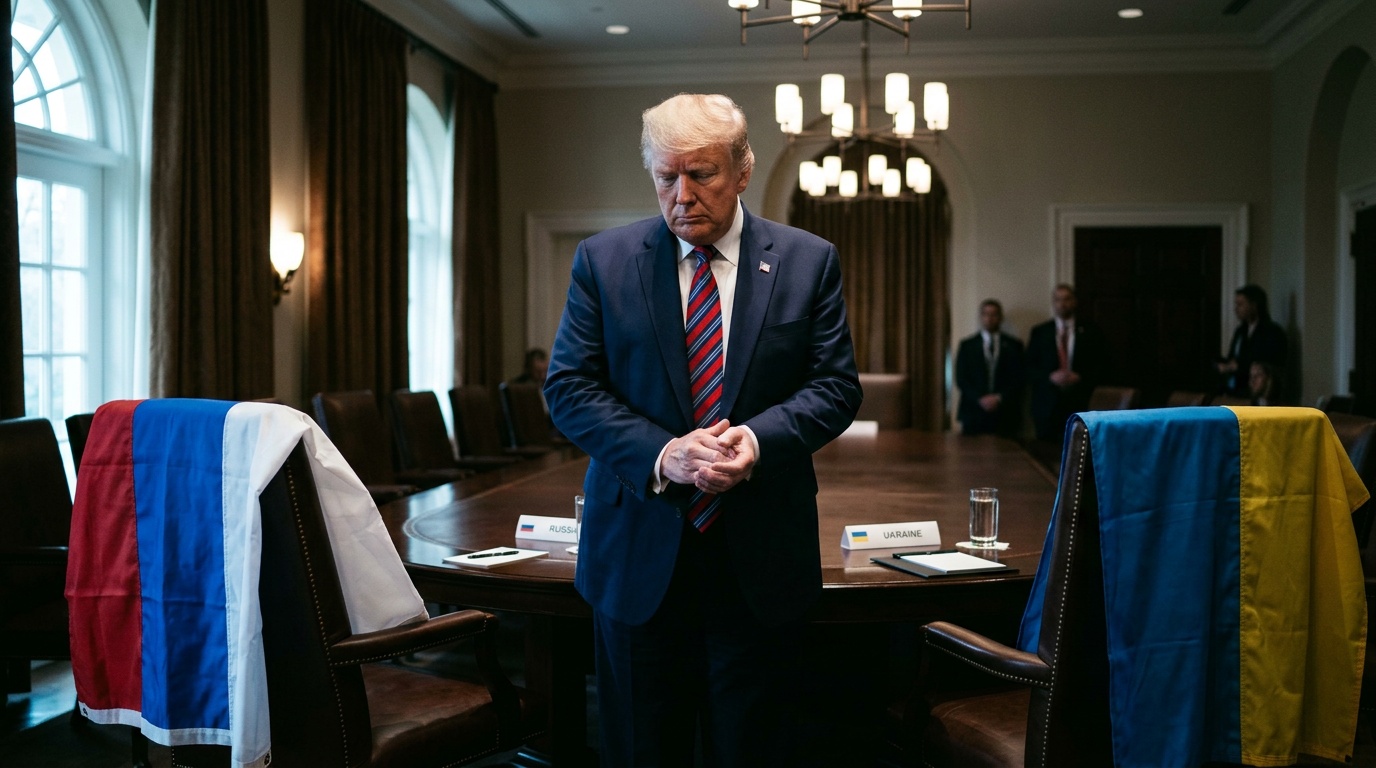
And the next chapter gets written in person: Trump and Chinese President Xi Jinping are scheduled to meet in Shenzhen later this month on the sidelines of the Asia-Pacific Economic Cooperation (APEC) summit.