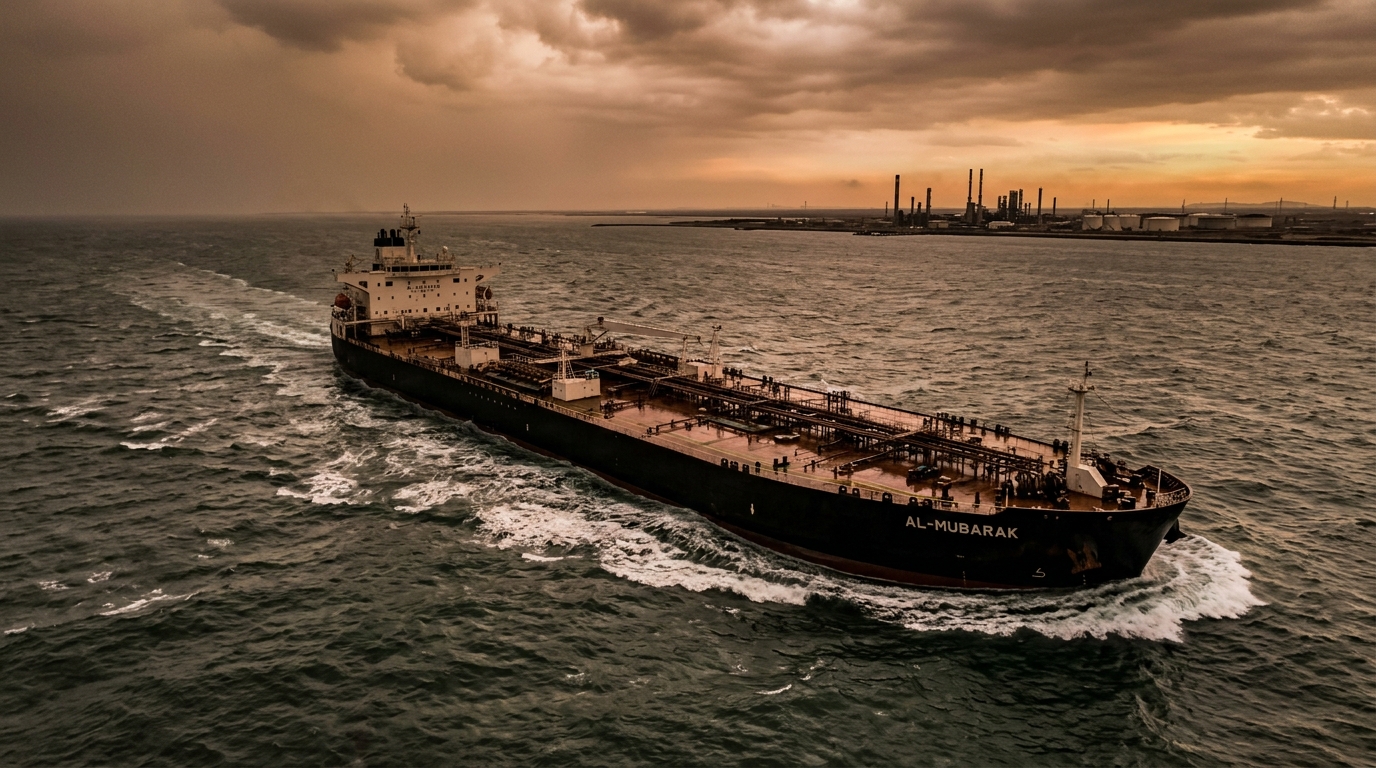
Goldman Sachs has officially thrown its hat into the oil price prediction ring, and it's not the rosy picture some policymakers are painting. The bank raised its oil price forecasts on Monday, signaling that crude could blow past $120 per barrel if the Persian Gulf's supply disruptions don't let up.
Analysts led by Daan Struyven at Goldman Sachs made the call, a notable pivot from their stance just three months ago. The team noted that Brent crude could exceed $120 per barrel if average Gulf output in 2027 remains 4 million barrels per day below pre-war levels, as reported by MarketWatch.
Here's the breakdown: Goldman now sees Brent at $90 by year-end, up from its previous $80 forecast, and averages $80 for 2027, up from $75. This shift comes after a summer of optimism when the firm hoped the violence would end and Middle East supplies would return to normal. That hope, it seems, has faded.
But here's the twist: Goldman considers this a relatively moderate oil price rise despite the Persian Gulf tensions, and they have two reasons. First, commercial land inventories in OECD economies have barely budged since the war started. Second, the analysts expect continued supply adaptation through "dark," unrecorded flows via the Strait of Hormuz and redirected pipelines. In other words, the alarmist oil forecasts might be overblown, with global stocks still sitting above operational minimums.
Goldman's Call vs. Bessent's Outlook
Goldman's prediction stands in stark contrast to Treasury Secretary Scott Bessent's view. Bessent has forecasted a significant drop in oil prices to $40-$50 per barrel after the Iran conflict is resolved, attributing the decline to a surge in oil supply.
Bessent argued that the Strait of Hormuz's importance to global oil trade could diminish as Gulf nations develop alternative pipeline routes, limiting Iran's ability to disrupt supplies. He called the current energy shock temporary, dubbed the U.S. an "energy superpower," and pointed to strong jobs and wage growth as supporting factors.
What It Means for Americans
Meanwhile, President Donald Trump has predicted oil prices would "drop precipitously," with gasoline prices falling from the current national average of $4.15 per gallon to $3 and eventually $2. But the data tells a different story right now: U.S. gas prices hit a record Labor Day high, with the national average reaching $4.15 per gallon, according to AAA. That's up from about $3.20 a year earlier and surpasses the previous record of $3.82 set in 2012.
The Iran War Energy Cost Tracker from Brown University estimates that the war has cost U.S. consumers over $100 billion in higher energy prices, with households paying over $760 on average. That's a hefty bill for a conflict that's supposedly temporary.
At the time of writing, Brent crude oil futures expiring in October were trading 2.09% higher at $98.29 per barrel, while WTI crude futures expiring in October were trading 2.11% higher at $93.41 per barrel.
Disclaimer: This content was partially produced with the help of AI tools and was reviewed and published by MarketDash editors.